

Twelve people, four courses, and a receipt that came to $94. That was a "Midnight in Marrakech" night I ran in a rented flat with mismatched cutlery and no dining table big enough for everyone. It worked because the theme did the heavy lifting that a bigger budget usually does: guests remembered the tagines and the paper lanterns, not the fact that the lamb came from the discount butcher.
The big misconception about a themed dinner party on a budget is that the theme is an extra cost. In practice, a good theme is a cost-control tool. It narrows your menu, it justifies serving one dish family-style instead of five plated courses, and it gives you permission to use cheap props that would look random in any other context.
Key Takeaways
- A theme cuts spending, not adds to it — it narrows the menu to a handful of dishes and makes cheap decor look intentional.
- Plan $8 to $15 per guest for food, and keep drinks to one signature cocktail plus a cheap wine.
- Build the room from what you already own before you buy anything; the "zero-purchase" theme should be your default.
- Cook one large braise or bake instead of several smaller mains — it is cheaper per head and easier to hold warm.
- For a crowd of 50, treat it as a themed potluck with assigned categories and a single hot dish you control.
Why choosing the theme first is the actual budget strategy
Most hosts do this backwards. They pick a menu, then look for decorations, then realise the whole thing is spiralling. Flip the order and the costs fall out almost automatically.
A theme is a constraint, and constraints are cheap. "Italian night" gives you pasta, tomatoes, olive oil, and a checkered cloth you can borrow from a friend. "Tapas evening" means small plates, which means you can buy cheaper cuts and stretch them further. "Moroccan" justifies a single slow-cooked tagine of lamb shoulder or chicken thighs — a cut that costs a fraction of a leg or a rack — served with flatbread and a bowl of olives.
The menu-narrowing effect
Here is the mechanism, and it matters more than any coupon: a theme tells you what not to serve. Without a theme you feel obliged to cover the table with variety — a protein, a starch, two vegetables, a salad, bread, cheese, dessert. With a theme you serve what belongs to that cuisine and stop. My Marrakech night had exactly four things on the table: the tagine, couscous, a carrot-and-cumin salad, and oranges with cinnamon. Nobody complained about a lack of choice.
Cheap props read as intentional under a theme
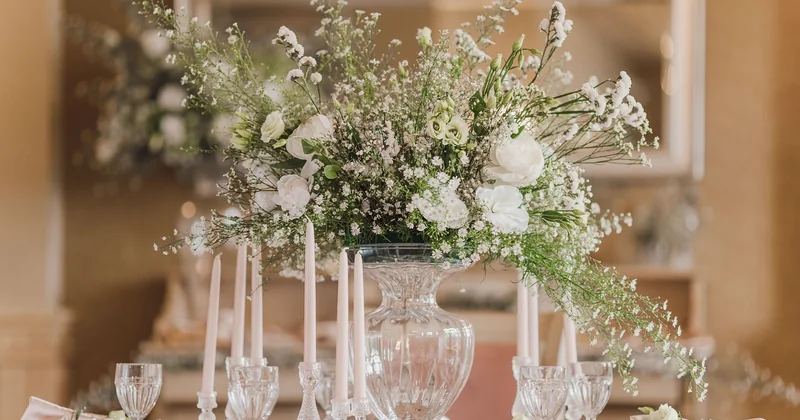
Tea lights in jam jars look lazy at a generic dinner party. Tea lights in jam jars at a "candlelit tavern" night look deliberate. That is the whole trick. The theme reframes what you already own as a design choice.
A list of things I've used across themed dinners without spending a cent:
- Every candle stub in the house, clustered on a tray
- Old hardcover books stacked as risers under serving bowls
- A bedsheet in a solid colour, draped as a tablecloth over a mismatched surface
- Fabric scraps tied around cutlery in place of napkin rings
- Borrowed mismatched glassware, which reads as "vintage" rather than "incomplete"
How to host an affordable dinner party (the numbers that actually hold)
The single most useful planning figure is cost per guest, not total cost — because it lets you scale the guest list up or down without redoing your maths.
Across a dozen themed dinners, my working range landed at $8 to $15 per guest for food. Drinks add another $4 to $8 if you serve a signature cocktail and one modest bottle of wine between two people. Decor sits near zero if you follow the no-purchase rule, and $20 to $40 total if you buy a few disposable items.
| Budget line | Per-guest cost | How to keep it there |
|---|---|---|
| Main (braise, bake or pasta) | $4–7 | Shoulder, thigh, leg or vegetarian base; one large dish, family-style |
| Starch and vegetables | $2–3 | Seasonal, bought loose rather than pre-cut |
| Bread, olives, pickles | $1–2 | The cheapest way to make a table look generous |
| Dessert | $1–2 | Fruit, a baked tray thing, or something a guest brings |
| Drinks | $4–8 | One signature cocktail in a jug; one wine; tap water in a nice carafe |
| Decor | $0–2 | Reuse, borrow, repurpose |
Notice where the money isn't. There is no line for a cheese course, no line for canapés, no line for a second protein. Those are the three things that quietly double a dinner party bill.
The one-dish rule
If you take one idea from this piece, take this one. Cook a single large-format main and build everything else around it cold or at room temperature. A slow-braised chicken with preserved lemon, a tray of roasted vegetables, a bowl of grains, bread. Nothing needs last-minute attention, nothing needs a second oven, and the whole thing costs less than four separate components cooked individually.
What to skip, honestly
Skip the appetiser course. Skip the cheese board unless the theme is literally about cheese. Skip cocktails made to order — batch them in a jug and let people pour their own. And skip the idea that you need matching anything.
I'll admit I got this wrong for years. Early on I'd spend half the budget on a grazing board and then panic about the main. The board disappeared in fifteen minutes and nobody remembered it.
Themed dinner party ideas that cost less than a night out
Themes fall into two types: those that need purchases and those that don't. Start with the second category and only move to the first if you already own the props.
Themes you can run without buying anything
- Colour night. Every dish on the table is one colour — an all-green dinner of peas, herbs, pesto pasta, and green apples. The constraint is the entertainment.
- Candlelight only. No overhead lights all evening. Cost: whatever candles you already have.
- One-pot night. Every guest brings a dish cooked in a single pot. The theme is the format.
- Grandmother's kitchen. Recipes from your family, written on cards, served on whatever plates you own.
- Regional deep-dive. Pick one region rather than a whole country — Sicilian rather than Italian, Oaxacan rather than Mexican. Narrower is cheaper and more interesting to talk about.
Themes that justify a small spend
A few disposable purchases can carry a whole night. Paper lanterns in one colour. A roll of ribbon. A bag of tea lights. String lights you'll reuse for years.
The test I use: will I use this again within twelve months? If yes, it counts as an investment, not a cost. If no, put it back.
Cheap and easy dinner party ideas for a themed menu
Easy and cheap tend to be the same dishes. Braises, bakes, tray roasts, big pasta, and anything served from one vessel.
Mains you can make the day before
- Lamb or chicken tagine with dried fruit and almonds — better on day two
- Baked pasta with a tomato and aubergine sauce; assemble ahead, bake on arrival
- Chicken thighs roasted with lemon, garlic, and potatoes in one tray
- A big pot of bean or chickpea stew with a spiced oil drizzled at the table
- Slow-roasted pork shoulder, pulled and served with flatbread and pickles
Making the main ahead is worth more than any discount. On the night itself you reheat one thing and put out the cold components. That is the difference between hosting and performing.
The drinks plan
One signature drink tied to the theme, batched in a jug. A mint tea for a North African night. A citrus and rosemary punch for something Mediterranean. A pitcher of sangria for a Spanish one. Add one wine, one non-alcoholic option, and a carafe of tap water. Nobody has ever left one of my dinners complaining about the drink selection.
How can I feed 50 guests cheaply?
You feed 50 guests cheaply by not cooking for 50 guests yourself. Turn it into a themed potluck with structure, and own exactly one hot dish.
Assign categories rather than leaving it open — mains, sides, bread, dessert, drinks — and assign them by name so nobody brings four bags of crisps. Provide the venue, the one large hot dish, the tableware, and the music. Your cost per head drops dramatically because the food is distributed across fifty households instead of sitting on your receipt.
The logistics that actually break at scale
Serving, not cooking, is where large gatherings fail. One long queue is better than two short ones. A stack of plates at one end and cutlery at the other creates a natural flow. Label dishes with a card naming the theme connection — it prevents the "what is this?" hesitation that slows everything down.
Also: paper plates are not a failure at fifty people. I resisted this for a long time out of some misplaced idea about hospitality, and I was wrong. Nobody remembers the plate.
Build the room before you build the receipt
Before you buy a single decoration, walk through your own home and list what could serve the theme. The correct answer, most of the time, is more than you expect. The wrong answer is a shopping trip.
Themed hosting on a budget comes down to one shift in thinking: the theme exists to restrict you. Restriction is what makes a $12-per-head dinner feel like an event rather than a compromise. And the moment you stop trying to cover every base — the canapés, the cheese, the matching glassware — the money you save is the least interesting part of what you gain.
The next themed night I'm planning has a budget of $60 for eight people and a theme of "everything orange." I have no idea yet whether the food will work. I know the room will.


